



New Trends in the Chinese Super League: 11 Teams Change Chest Sponsors, Opening Round Attendance Again Surpasses Last Year



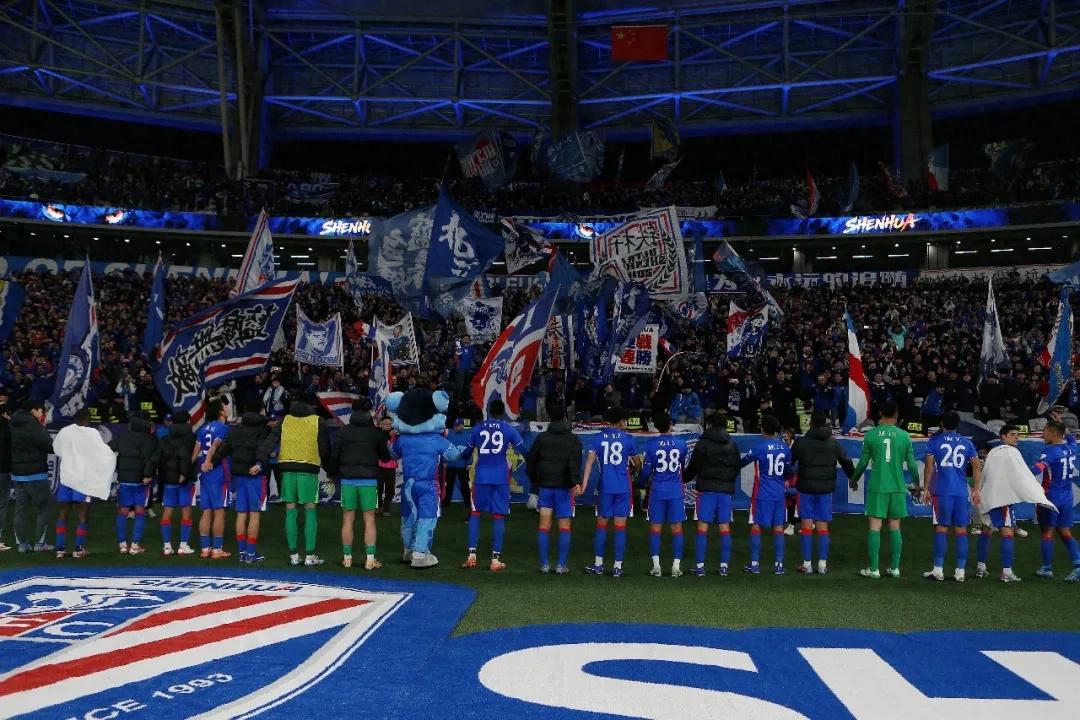
Journalist Lu Mi reports After the first round of the 2026 Chinese Super League season, data from both on and off the field outlines new developments in the league. From the changes in chest sponsorship deals to the enthusiastic return of live audiences, CSL clubs are showing significant changes in commercial operations and market appeal. This reflects new trends in industry development and demonstrates the strong momentum of the league's recovery.

As a crucial source of commercial revenue for clubs, changes in team chest sponsors directly reflect shifts in the league's commercial ecosystem. Statistics show that among the 16 CSL teams in the 2026 season, 11 have changed their chest sponsors, a replacement rate of 68.75%, the highest in recent years; 5 teams continued with last season's chest sponsors, and only 1 team uses its own name as the chest advertisement. Behind this data lies the proactive adjustments and pragmatic choices of CSL clubs in commercial partnerships.
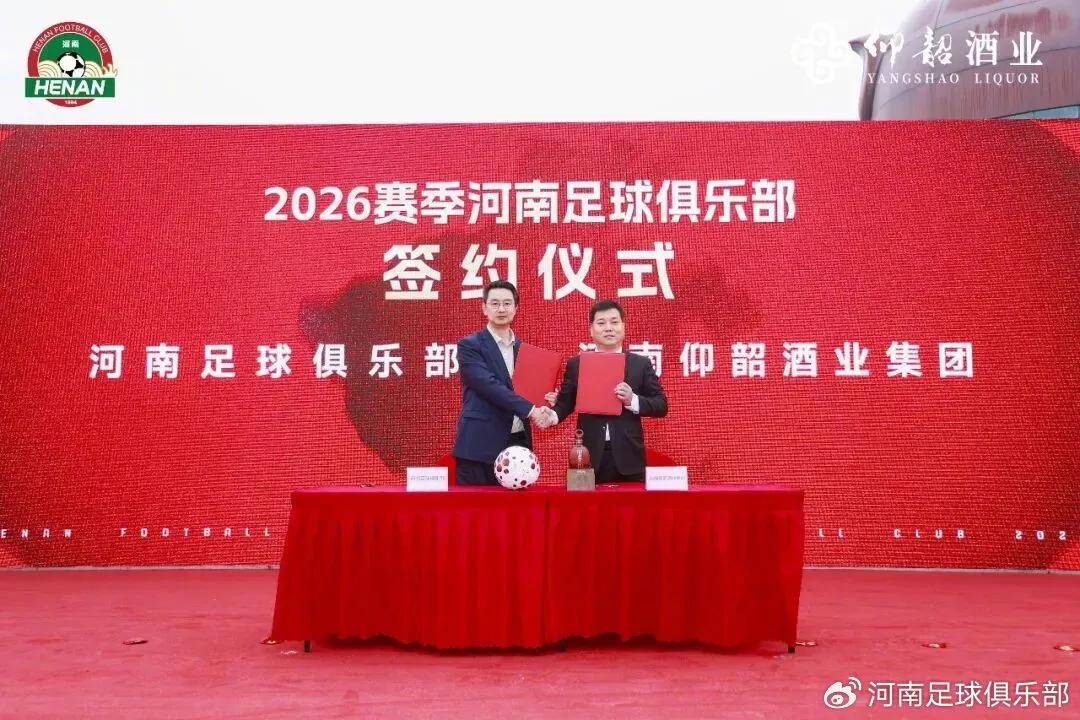
Looking at the attributes of the partnering brands, local enterprises have become the absolute main force. Henan Team changed its chest sponsor from Dukang and Huahuaniu to Yangshao彩陶坊, Qingdao Hainiu introduced Laoshan Cola to fill the chest sponsor gap of nearly three years, and Chongqing Tongliang Long started a new partnership with Southwest Securities. These new sponsors are all enterprises deeply rooted in the local market, exhibiting strong regional relevance. This "local brand + local team" combination model reduces communication costs for both parties and allows brands to more precisely reach local fan groups, achieving a win-win situation.
It is noteworthy that the industry distribution of chest sponsors for CSL teams this season has become more diversified. Beyond traditional finance and real estate sectors, tourism and fast-moving consumer goods brands are also beginning to emerge. Shandong Taishan changed its chest sponsor to "天下第一泉" (The First Spring Under Heaven), becoming the only CSL team with a tourism IP as its chest sponsor, breaking the boundaries of traditional commercial cooperation; Tianjin Jinmenhu retained TEDA Nangang Group while introducing Guohaibo as a joint sponsor, and Shenzhen Xinpengcheng brought in Etihad Airways as its chest sponsor.
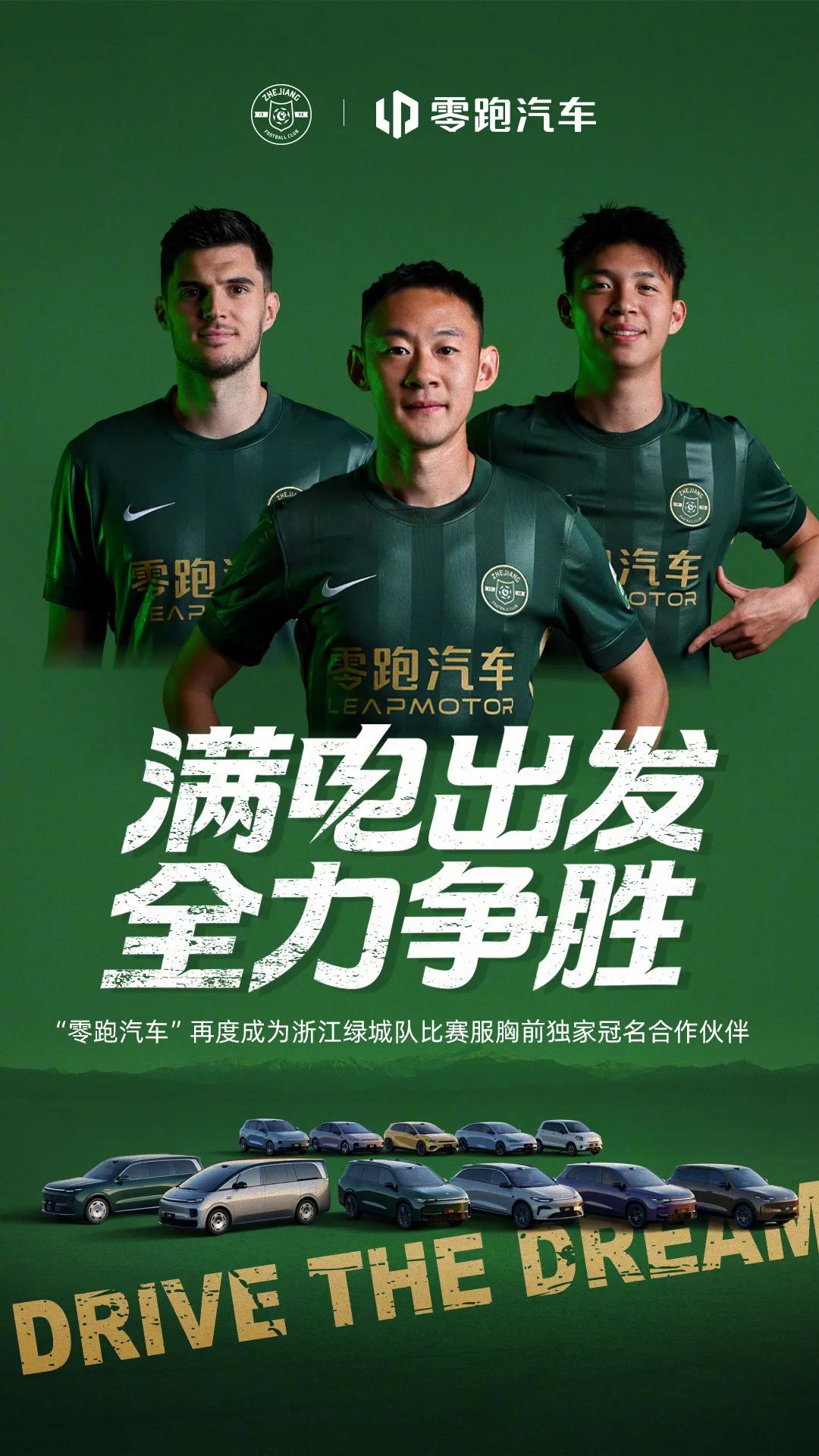
Teams that chose to continue their partnerships demonstrate the stability and maturity of their commercial relationships. Shanghai Shenhua with Bank of Communications, Wuhan Sanzhen with Huayuan Securities, Chengdu Rongcheng with its main sponsor, and Zhejiang Team renewing its contract with Leapmotor—this not only reflects these teams' sustained commercial appeal but also indicates that quality partnerships can bring long-term value to both sides.

If chest sponsors reflect the commercial value of clubs, then live attendance figures demonstrate the market appeal of the league.
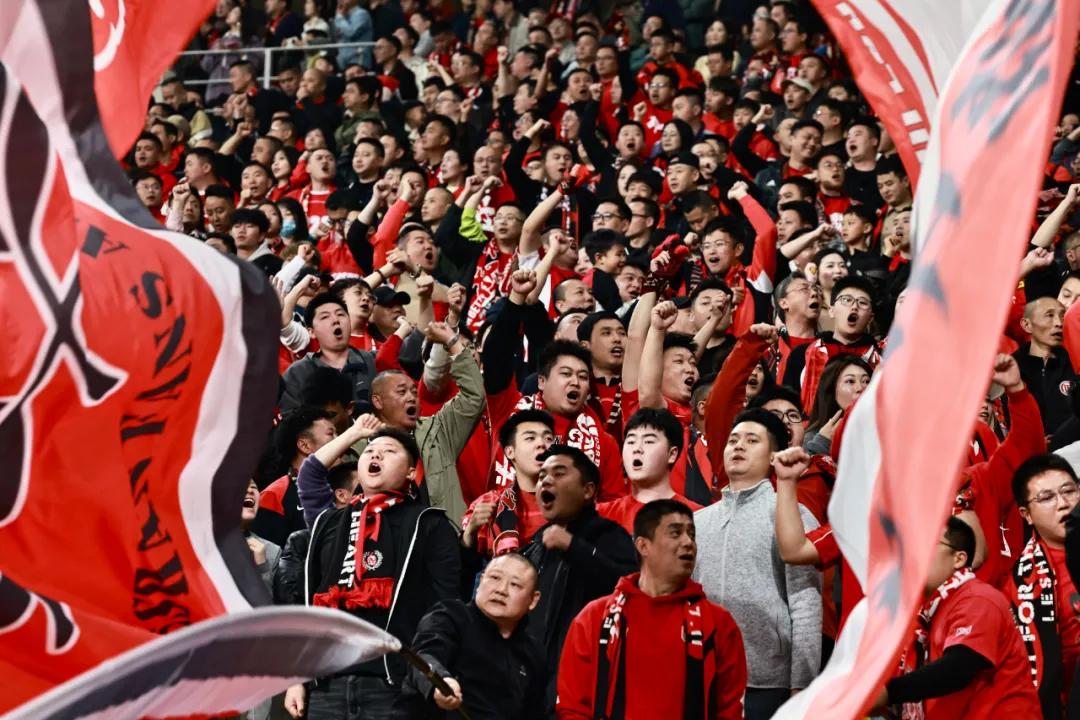
In the opening round, Shanghai Shenhua and Chengdu Rongcheng were the teams with the highest popularity. Shenhua's first home match of the new season attracted 42,193 spectators, while Chengdu Rongcheng's home game against Shenzhen Xinpengcheng also drew 41,219 fans, both surpassing the 40,000 mark. Additionally, traditional powerhouses maintained stable fan appeal: Shandong Taishan's home game welcomed 30,519 spectators, and Zhejiang Team's home match against West Coast had 25,128 fans watching, placing both teams' attendance figures at the upper level of the league; Tianjin Jinmenhu, starting with a -10 point deduction, also attracted 25,081 fans to its home stadium, with fan support injecting motivation for the team to advance despite adversity.
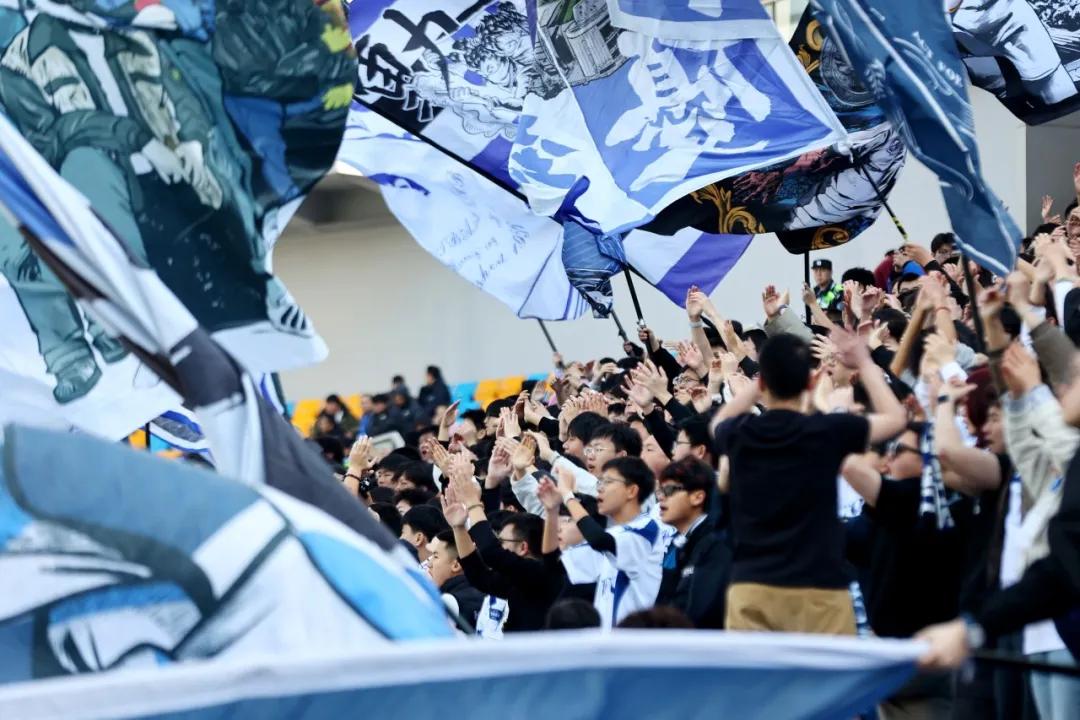
Yunnan Yukun's opening home round attracted 22,163 spectators, a figure that not only far exceeded expectations but also showcased the immense potential of emerging football markets. Furthermore, the Shanghai Port vs. Henan Team match had 22,863 attendees, and the Wuhan Sanzhen vs. Beijing Guoan match drew 21,679 spectators, both showing improvements compared to previous figures. In the 2025 season, the CSL's annual average attendance was 25,754; the average attendance for the first round of the 2026 season reached 28,856, surpassing last year's opening round average of 27,174, an increase of 6.19%.
From the evolution of chest sponsors to the resurgence of home stadium enthusiasm, the 2026 Chinese Super League season is demonstrating strong momentum for recovery. For clubs, how to translate this momentum into long-term commercial value and competitive strength remains an area for continuous exploration. However, it is certain that as commercial development returns to pragmatism and home atmosphere continues to heat up, the future of the CSL is worth anticipating.



 Links
Links
 Contact
Address:123
Number:+123
E-mali:i123@gmail.com
 App
App